After a major storm, the steps you take in the first days can shape your entire insurance claim. Here's a clear, general overview of how the process works and how to give yourself the best chance at a fair outcome.
Before anything else, make sure your family is safe. Don't climb onto a damaged roof or go near downed power lines. If water is actively coming in, a professional can install emergency tarping to stop further damage — which also matters for your claim.
Insurers want evidence. Take dated photos and videos of the damage from the ground, and of any interior water damage, before temporary repairs. Keep receipts for anything you spend mitigating the damage. The more thoroughly the loss is documented, the smoother the claim tends to go.
Policies differ, so read yours or ask your agent. In general, homeowners' policies may cover sudden storm damage but treat wear-and-tear and maintenance differently, and hurricane or windstorm deductibles can apply. Knowing what your policy says up front helps set expectations. This is general information, not legal or insurance advice — confirm specifics with your insurer.
A typical claim follows a familiar path:
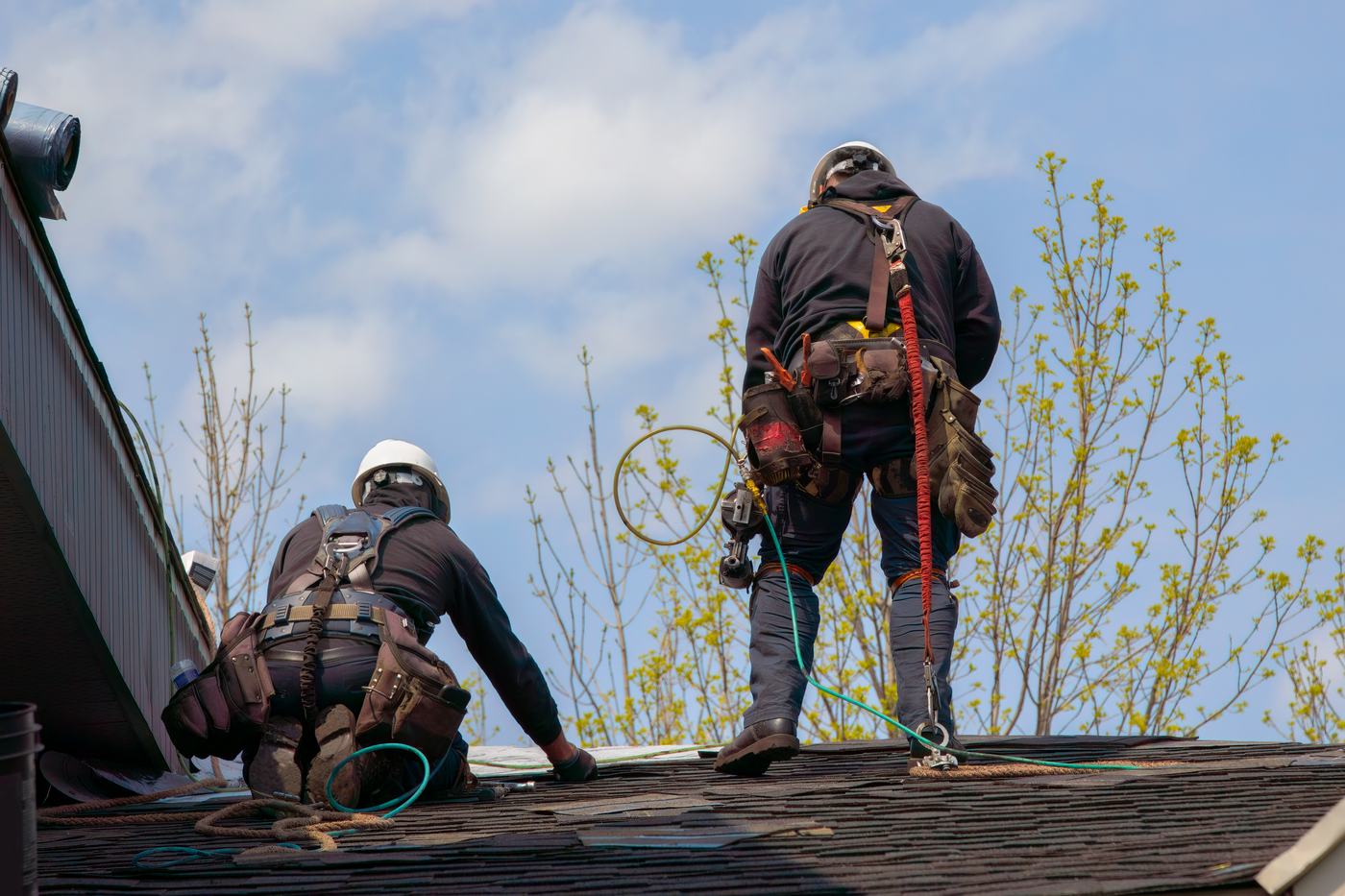
A reputable, licensed roofer can inspect the damage, document it thoroughly, and meet your adjuster on-site to make sure nothing is missed. We handle storm damage and insurance work from emergency tarping through full restoration to code — and we keep the documentation tight so your claim is well supported.
Avoid signing over your claim to anyone you don't trust, be wary of out-of-town 'storm chasers,' and don't rush into permanent repairs before the damage is documented. When in doubt, start with a free inspection — we'll assess the damage honestly and walk you through your options.
Get a free inspection, satellite measuring and instant pricing in under 24 hours.
Get Your Free Estimate